
Thesis Project: Street Review & Wedesign
2023-05-30
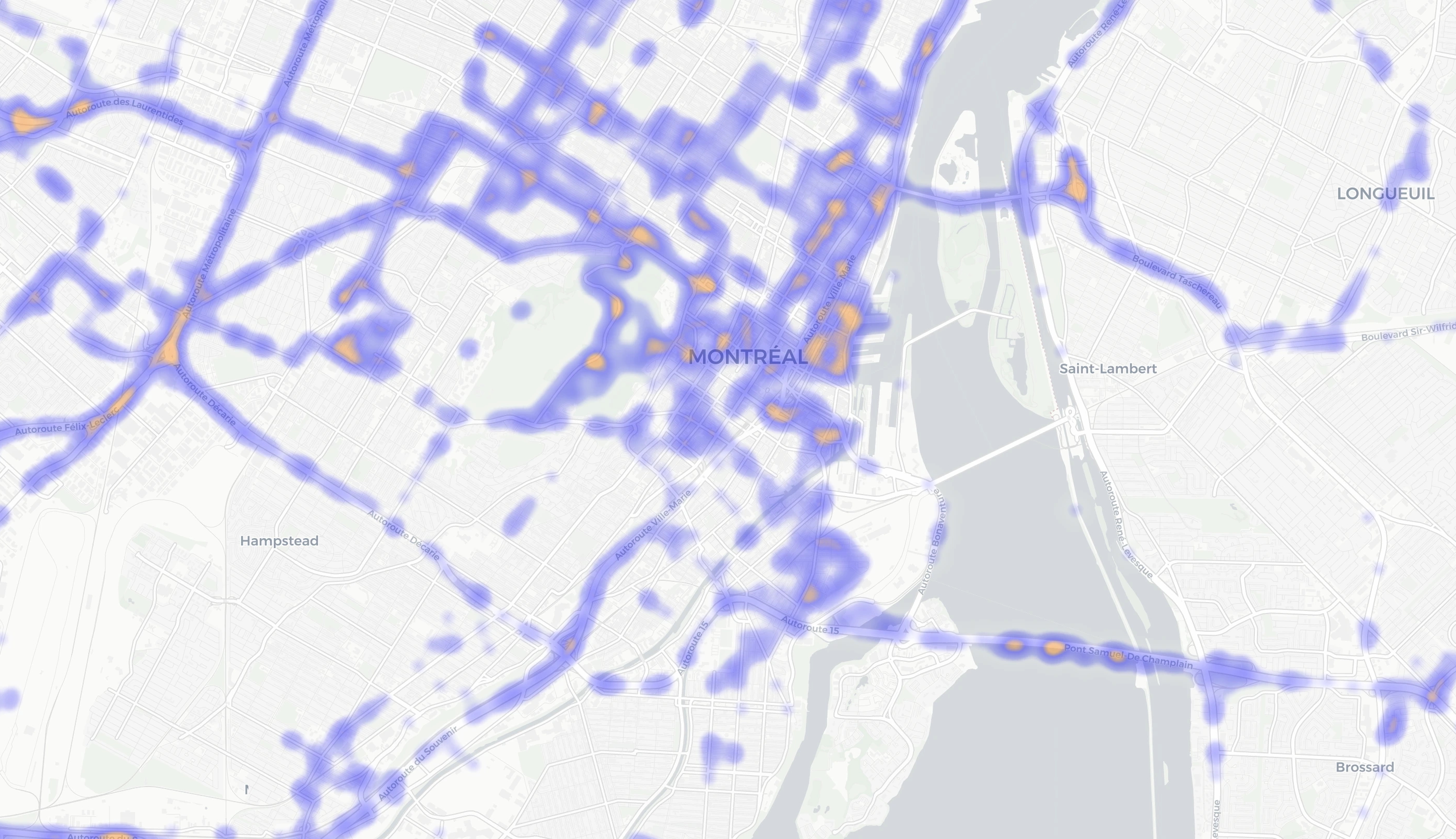
This doctoral work starts from a civic question before a technical one: who gets to define what an inclusive street or public space should look and feel like (Gowaikar et al., 2024; Mushkani & Koseki, 2025).
Thesis Focus
This research has grown into a linked body of work on co-designed evaluation, participatory street assessment, and community-aligned image generation for public space (Nayak et al., 2024). One strand examines existing streets through discussion, rating, and comparison; another asks whether generative tools can be steered toward locally grounded ideas of accessibility, comfort, diversity, and inclusion rather than generic design taste (Mushkani et al., 2025).
How The Thesis Works
The thesis combines interviews, workshops, image-based evaluation, dataset design, and model development so that public judgment shapes both the questions and the outputs of the system. That approach rejects the common pattern in which communities are consulted only after the categories, data, and interface have already been fixed.
Later work extended the same logic into pluralistic alignment: instead of searching for a single "correct" image of inclusive public space, the research began to model multiple, sometimes competing preferences and to treat those differences as part of the design problem itself (Nayak et al., 2024).
Why This Matters
Public-space quality is often discussed as if it were universal. These studies show the opposite: people read the same street differently depending on mobility, identity, memory, and familiarity, and those differences should shape both evaluation and redesign (Mushkani & Koseki, 2025; Mushkani et al., 2025). In that sense, the thesis is less about making AI more impressive than about making its judgments more accountable to the people who live with their consequences.
What This Work Has Produced
So far, the project has produced a co-designed evaluation dataset for public-space quality, a participatory street-assessment framework, a dataset for aligning generated public-space images with community preferences, and a pluralistic benchmark for visual alignment in cities (Gowaikar et al., 2024).
References
Gowaikar, S., Berard, H., Mushkani, R., Beaudry Marchand, E., Ammar, T., & Koseki, S. (2024). AI-EDI-SPACE: A co-designed dataset for evaluating the quality of public spaces. arXiv. https://doi.org/10.48550/arXiv.2411.00956
Mushkani, R., & Koseki, S. (2025). Intersecting perspectives: A participatory street review framework for urban inclusivity. Habitat International, 164, 103536. https://doi.org/10.1016/j.habitatint.2025.103536
Mushkani, R., Nayak, S., Berard, H., Cohen, A., Koseki, S., & Bertrand, H. (2025). LIVS: A pluralistic alignment dataset for inclusive public spaces. Proceedings of the 42nd International Conference on Machine Learning. https://arxiv.org/abs/2503.01894
Nayak, S., Mushkani, R., Berard, H., Cohen, A., Koseki, S., & Bertrand, H. (2024). MID-Space: Aligning diverse communities' needs to inclusive public spaces. OpenReview. https://openreview.net/forum?id=kyfkMRT4Ao